
Key Practices to Control Tree Health Issues
Trees add beauty and value to landscapes, but they require care to stay healthy. One important aspect is keeping trees free from diseases. Various methods help achieve this, each serving an essential role. Among these, strategic pruning plays a vital part in managing tree health issues effectively. It’s not just about cutting branches; it’s about promoting overall tree vitality.
Understanding the Importance of Regular Maintenance
Maintaining trees involves more than occasional attention. Regular check-ups and timely interventions are necessary. By inspecting trees routinely, you can detect early signs of disease. This proactive approach helps prevent significant damage that might otherwise go unnoticed until it’s too late. It saves money and time while ensuring your trees thrive.
The Impact of Pruning on Disease Management
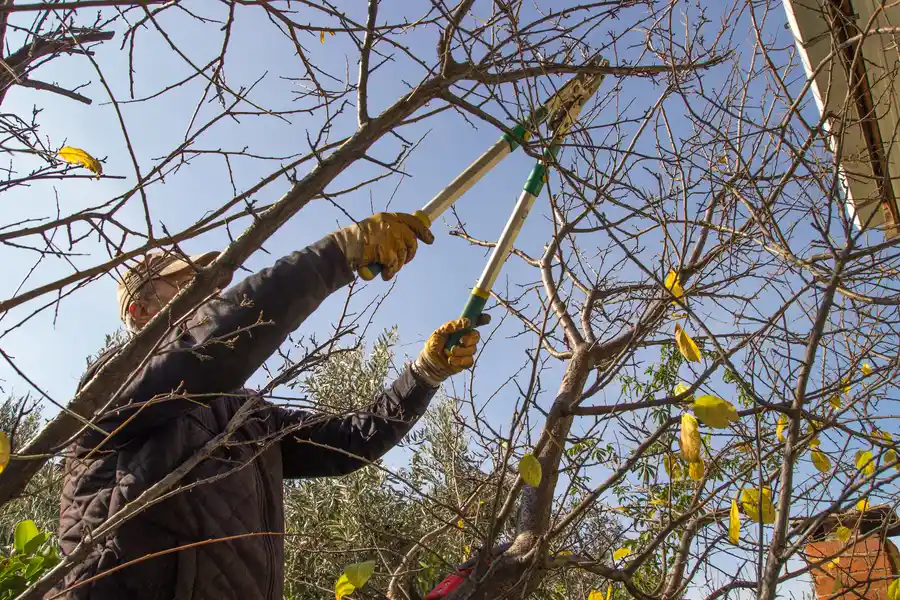
Pruning serves several purposes beyond shaping a tree’s appearance. It’s crucial for removing diseased or dead limbs, thereby preventing the spread of infection. When you prune carefully and at the right time, you enhance air circulation and sunlight exposure. These conditions help in reducing moisture levels, which can harbor diseases.
How Tree Trimming Supports Healthy Growth
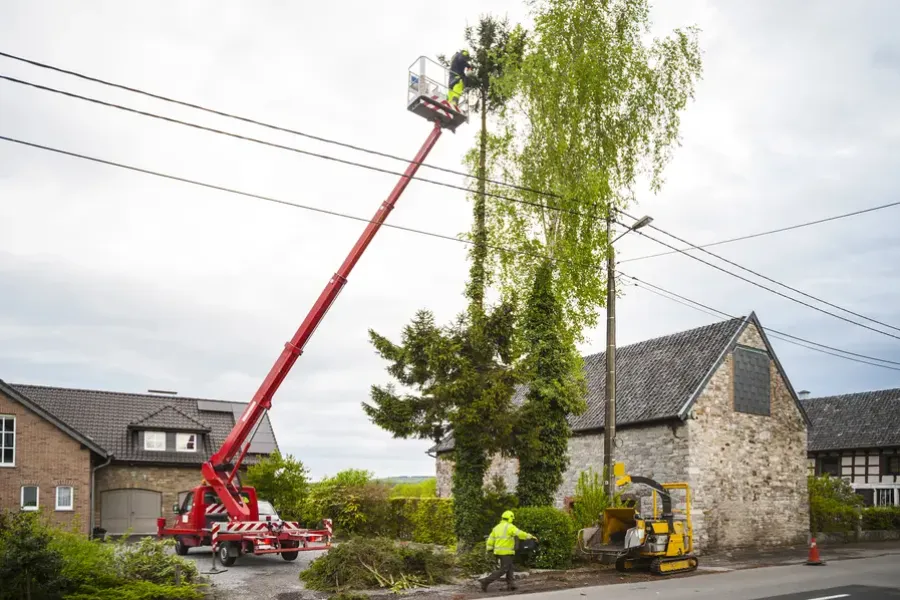
tree trimming encourages new growth by focusing resources on healthy parts of the tree. When done correctly, it reduces competition among branches for nutrients and light. This practice fortifies trees against pests and pathogens by boosting their natural defenses. Investing time in this task is investing in the long-term health of your green space.
Steps to Effective Pruning for Disease Control
Effective pruning begins with understanding the specific needs of each tree species. Here are some steps to follow:
- Identify diseased or dead branches before starting.
- Use clean, sharp tools to make precise cuts.
- Avoid removing more than 25% of the tree’s foliage in one season.
- Focus on improving air circulation within the canopy.
- Time your pruning activities according to the species’ dormant period.
Common Mistakes to Avoid When Pruning
Avoiding certain mistakes can make a world of difference in the success of your pruning efforts. Over-pruning can severely stress a tree, leaving it vulnerable to diseases. Incorrect cutting techniques may also lead to open wounds that invite infections. It’s essential to educate yourself or consult professionals to steer clear of these common errors.
Professional Help: When and Why You Need It
Not every situation requires professional intervention, but knowing when to call an expert can save your trees. If you’re unsure about the condition of your trees or how to manage them, expert advice is invaluable. Professionals offer insights into disease identification and management strategies tailored to different tree types. They ensure that every cut supports the health and longevity of your trees.
Financial Considerations in Tree Maintenance
Caring for your trees is an investment rather than an expense. Regular maintenance reduces costly interventions later. The cost varies depending on size, species, and current health status. However, the return on investment is clear: healthier trees mean higher property values and a happier environment.
Your Path to Healthy Trees Starts Here
Prioritizing tree health involves committing to regular care routines. Working with experts like Alexis Landscaping Group LLC ensures your trees receive the best care possible. We are located in Gaithersburg, MD and ready to assist with all aspects of tree management. Reach out today at (301) 523-0623 for personalized guidance and support.